

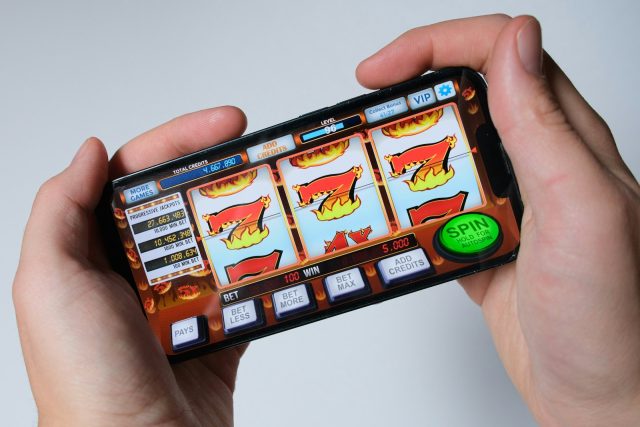
Slot games are usually talked about in terms of visuals, themes, or features, but time is often the bigger factor. How long a round takes to play through has a quiet influence on how platforms perform financially. It affects how money moves through the system, how players behave during a session, and how stable the numbers look by the end of the day.
Why round length matters more than it seems
A slot that resolves quickly naturally fits more rounds into a session. Even if nothing else changes, more completed rounds mean more activity passing through the platform. That creates steadier movement rather than relying on a few big moments. Over time, this rhythm matters more than any single feature or theme. Slower slots stretch the same activity over a longer period. They might feel richer or more detailed, but from the platform’s side, everything happens at a slower pace. When that pattern repeats across thousands of sessions, the difference becomes noticeable.
What looks like a small delay at the individual level becomes meaningful at scale. A few extra seconds per round can reduce total turnover across an entire day, especially during peak hours when traffic is dense. Platforms start to see gaps where activity pauses instead of flowing continuously. Those pauses do not harm engagement on their own, but they do change how predictable the overall performance becomes. Faster games create a tighter feedback loop between play and outcome, while slower games stretch that loop and introduce more variability into daily results.
Faster games tend to keep things predictable
When rounds are short, activity tends to arrive in a more even flow across online slots. There are fewer long pauses where nothing resolves, which makes it easier for platforms, including large operators like betway, to understand what a typical hour or day looks like because results come in steadily rather than in bursts. Longer games can still perform well, but they introduce more gaps. Extended animations or layered bonus stages slow things down, which can make activity feel uneven even if overall engagement across online slots remains healthy.
Session flow changes with game speed
Players react differently to fast and slow games. With quicker rounds, people tend to stay engaged. They move naturally from one spin to the next without stopping to reconsider. That flow keeps sessions intact. Slower games introduce more moments where attention can drift. A long animation or a drawn-out bonus sequence gives players time to disengage. Sometimes that break is welcome, but often it leads to sessions ending sooner than expected. From a margin perspective, uninterrupted flow usually performs better than stop-start play.
Time also affects technical load
Longer rounds do not just affect players. They affect systems. A game that stays active for longer keeps server resources tied up. Animations, feature tracking, and session states all remain open until the round fully resolves. Shorter rounds close out faster, allowing resources to be freed more quickly, which helps platforms handle higher traffic without scaling costs at the same rate. When traffic peaks, this efficiency starts to matter. Even small differences in round length can add up across thousands of concurrent sessions, turning pacing into a quiet operational advantage. Platforms that run leaner game cycles often experience fewer slowdowns during busy periods, not because the infrastructure is stronger, but because it is being asked to do less at any given moment.
Bonus rounds stretch more than excitement
Bonus features are where duration becomes most visible. Long bonus rounds can feel satisfying, but they slow the overall pace of the session. While players may enjoy the moment, fewer standard rounds are completed around it. There is always a balance to strike. Short bonuses keep things moving but can feel flat. Long bonuses feel generous but reduce overall flow. Platforms pay close attention to where that balance lands, even if players only notice the surface-level excitement.
Duration and risk are connected
Game length also interacts with volatility. Longer rounds often bundle risk into fewer events. That creates dramatic moments but also sharper swings, especially when many players are active at the same time. Shorter rounds spread outcomes across more events, which smooths things out at scale and reduces sudden concentration of exposure. Platforms tend to prefer smoother exposure over time, not because it is safer in theory, but because it is easier to manage across large volumes of play. When thousands of sessions are running simultaneously, predictable flow matters more than standout moments. A steadier rhythm allows platforms to monitor performance in real time, react to anomalies faster, and keep overall operations balanced without constant adjustment.
Why pacing matters more than presentation
In the end, margins are shaped less by what a slot looks like and more by how it moves. Pacing decides how sessions unfold. Sessions decide how money flows. And that flow is what platforms care about most. A slower, visually rich game can feel impressive but still underperform compared to a simpler title that keeps things moving. This is why pacing often matters more internally than it does in marketing. Slot game duration might look like a design detail, but it is really a structural one. Time shapes rhythm, rhythm shapes behaviour, and behaviour shapes margins. For platforms operating at scale, that makes duration one of the quiet levers behind financial performance.