
Slot machines were not always built to entertain you in layers. For a long time, they did one simple thing. You spin the reels, waiting a few seconds and see whether symbols line up. There was no sense of progress, no build-up, and no reason to think about what might happen next beyond the spin. This simplicity worked for decades, but it also had limits.
As player expectations changed, so did the machines. Designers began to realize that people did not just want random outcomes. They wanted engagement, variety and a reason to stay interested beyond pure change. Slot machines slowly began borrowing ideas from games, not to change the odds, but to change how the experience felt. So let’s take a closer look at when slot machines started thinking like games, and how that shift reshaped what you see on casino floors today.
The early days of pure chance
A classic casino slot machine is built around clarity. Symbols were easy to recognize, payouts were straightforward and even spins stood alone. Once the reels stopped, the moment was over. There was nothing to carry forward and nothing to build toward.
This design made sense in an era when novelty came from the machine itself. Seeing spinning reels was exciting enough. Over time though, that excitement faded. When every spin feels identical, engagement relies entirely on repetition. Casinos began looking for ways to make slot play feel less flat without changing the core mechanics. That search opened the door to a new approach.
Engagement became just as important as outcomes
The turning point came when designers stopped focusing only on results and started thinking about experience. Instead of asking whether a player won or lost, they began asking how the player felt during play.
Games in other formats had already shown that engagement comes from pacing, anticipation and feedback. Slot machines began adopting those same principles. Rather than treating each spin as a reset, newer designs made spins feel connected. Even though each outcome remained independent, the experience suggested continuity. That illusion of continuity was powerful.
Progress entered the picture
One of the clearest signs that slot machines were thinking like games was the introduction of visible progress. Suddenly, something was happening over time, not just in isolated moments.
You might notice:
- Meters that slowly fill as you play
- Features that unlock after certain triggers
- Sequences that carry across multiple spins
Progress does not guarantee a reward, but it gives you a reason to keep paying attention. You are not just hoping for a win; you are watching something develop. That sense of movement changes how play feels. Even quiet stretches feel meaningful because they contribute to something larger.
Bonus features broke the monotony
Bonus rounds were another major step toward game-style design. Instead of repeating the same action endlessly, slot machines began offering moments that felt different from the rest of the session.
A bonus round might slow things down, speed them up, or change the rules completely. The visuals shift and the sounds change. For a moment, you are no longer in the base game.
These moments matter because they create contrast. Without contrast, experiences blur together. With it, individual moments stand out. Some bonuses introduced simple interactions, such as choosing between options or triggering animations. These actions don’t influence outcomes, but they make you feel involved rather than passive.
Feedback loops became more sophisticated
Early machines offered limited feedback. You either heard coins drop or you didn’t. Modern slot machines communicate instantly, even when nothing significant happens. Every spin now comes with sound cues, visual responses and subtle animations. Wins are celebrated, near-misses are emphasized and even small outcomes are acknowledged.
This constant feedback helps guide your attention. It tells you when something mattered and when something is building. In game design terms, it keeps the loop moving. Instead of silence between spins, there is a steady conversation between you and the machine.
Themes added context and cohesion
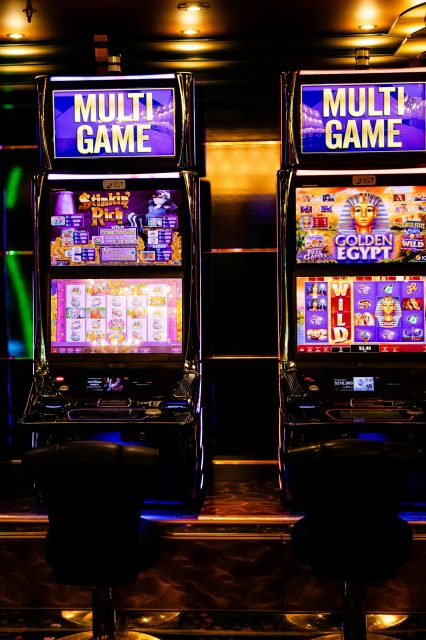
As slot machines became more complex, themes took on a bigger role. Rather than presenting random symbols, machines began building complete visual identities. Themes give structure to the experience. Symbols, sounds and features all feel like they belong together. This creates a sense of cohesion that classic fruit machines never aimed for.
A themed slot machine feels intentional. You are not just watching symbols spin. You are interacting with a system that has a consistent look and mood. That consistency makes longer sessions easier to engage with. Your brain has something to latch onto beyond raw outcomes.
Small goals replaced endless repetition
Games rarely ask players to do the same thing forever without purpose. Slot machines eventually adopted that same philosophy. Instead of endless spinning with no direction, modern designs introduce short-term goals. These goals might include:
- Triggering a specific feature
- Completing a sequence
- Reaching a visual milestone
You are not told to stop playing once you reach these points, but they give shape to the session. Each goal creates a sense of completion, even if play continues afterward. This structure helps break long sessions into manageable chunks, making the experience feel more intentional.
Why players responded to the change
The shift toward game-like thinking worked because it aligned with how consumers interact with digital entertainment. Players are used to a system that rewards attention, offers variety and provides feedback.
Slot machines did not need to become complicated to benefit from these ideas. They simply needed to acknowledge that engagement is about more than chance. By layering progress, feedback, and variation on top of familiar mechanics, slot machines became easier to stay interested in without becoming confusing.
What stayed the same underneath
It is important to note that while the experience changed, the foundation did not. Outcomes remained random, and the math behind the games stayed intact.
What changed was the presentation. Slot machines learned how to frame chance in a way that feels active rather than static. That framing makes all the difference in how play is perceived.
When slot machines started thinking like games, they evolved from simple mechanical devices into interactive experiences. Progress bars, bonus rounds, feedback loops, and themed design turned isolated spins into connected moments.